
Ultimate Darwin Car Hire Guide (2026): Driving Laws & Safety Tips
Renting a car in Darwin gives you freedom to explore the Top End, but you must follow local rules and stay safe. In the Northern Territory (NT) all drivers keep left and obey Australian road rules. Before hitting the road, check you meet licence, insurance and safety requirements. This guide covers NT licence rules, hire conditions, road laws and hazards, plus practical tips and FAQs for 2026.
Darwin Car Hire Requirements: What You Must Know Before Driving
Licence Requirements for Driving in the Northern Territory
Visitors may use a valid overseas or interstate licence for up to 3 months in the NT. You must carry your passport and licence when driving. Drivers must meet rental companies’ age and licence conditions (typically age 21+; under-25 drivers often incur surcharges).
Many companies won’t hire to drivers under 23.
- International Driving Permit (IDP) rules: You need an IDP only if your licence isn’t in English or the vehicle class isn’t clear. If so, obtain an IDP (or official translation) before arrival. Otherwise, a licence in English is fine.
- Overseas licence validity (3-month rule): Tourists can drive in NT for a continuous 3-month period. After 3 months, you must apply for an NT licence or stop driving.
- Age restrictions for car hire in Darwin: Most hire firms require drivers to be 21 or older. Young drivers (under 25) will usually pay a “young driver” fee. Always check the rental’s policy and agreement in advance.
When an International Driving Permit Is Required in Australia
If your overseas licence isn’t in English or doesn’t clearly list vehicle classes, the NT requires an IDP or official translation. You should carry both your original licence and the translation/IDP while driving. If you’re from a country that issues IDPs (e.g. UK, EU, USA), get one before you travel. Without it, NT police will treat the licence as invalid for driving.
Insurance & Registration Requirements for Rental Vehicles
All NT vehicles (including rentals) must have Compulsory Third Party insurance (CTP) as part of registration. CTP covers injury or death to other people in a crash. The hire company registers this for you by law. However, CTP does not cover damage to the rental car or other property.
Rental companies typically include a standard insurance package at no extra cost or ar at a low-cost. You’ll pay an excess if the car is damaged or stolen.
- Collision Damage Waiver (CDW): Optional cover that caps your damage excess. CDW is recommended if you want more peace of mind. If you decline CDW, you bear full excess on any damage.
- Excess reduction options: Many companies offer further options (often called “Zero Excess” or “Super CDW”) to eliminate the excess entirely for an extra fee. This can be worth it on long trips or rough roads.
- What rental car insurance does and does not cover in the NT: Standard cover typically includes public liability and some collision protection. It generally excludes tyre damage, windscreens, lost keys, and damage from prohibited uses (e.g. off-roading on unpaved tracks). Personal items (luggage, electronics) are not covered, so consider travel insurance or personal belongings insurance.

Northern Territory Road Rules Tourists Must Follow
Tourists in Darwin must obey all NT road laws and signage. NT Police strictly enforce rules on speed, drink-driving, seatbelts, phones and more. Road infringements incur fines and demerit points that apply to NT licences, and visitors can even have their foreign licence privileges suspended for offences.
Speed Limits in Darwin (60 km/h, 40 km/h School Zones, Highways)
Default urban speed limits in the NT are 50 or 60 km/h unless otherwise signed. In Darwin, most streets are 60 km/h. Some built-up or older city areas (and certain residential streets) may be 50 km/h. School zones drop to 40 km/h during school hours (flashing lights) for children’s safety. On sealed open roads outside towns, the limit is 110 km/h. Always obey posted signs, sometimes highways have lower limits. Speed cameras are common throughout Darwin and the Territory, so keep to the limit.
Default Speed Limits vs Signposted Limits
The limits above are default. You must follow any signposted speed limit changes. For example, roadworks or curves may have temporary 40–50 km/h signs. Darwin’s Central Business District and tourist areas may enforce 50 km/h in busy zones. When in doubt, stick to the sign. NT fines and demerits apply if you exceed the speed limit.
Blood Alcohol Limits & Random Breath Testing (0.05% BAC)
The NT has a 0.05 % blood alcohol limit for fully licensed drivers. Learner, provisional and certain commercial drivers must have 0.00 % (no alcohol). NT Police conduct Random Breath Tests on all roads, day and night. If you’re above the limit (even accidentally), you’ll face penalties.
Penalties and Fines for Drink Driving in the NT
Drink-driving offences carry heavy penalties. For a first offence:
- 0.05–0.079 % BAC: On-the-spot disqualification (usually 3 months) plus a ~$400 fine (or 5 demerit units).
- 0.08–0.149 % BAC: Licence disqualified for 6 months and a fine ~7.5 penalty units.
- ≥ 0.15 % BAC: Licence disqualified for 12 months and a fine ~10 penalty units.
(Demerit points also apply.) Second offences carry even steeper fines and jail risk. Even a small amount of drink puts you at great risk; don’t drive after drinking.
Seatbelt Laws, Child Restraints & Mobile Phone Use
NT law requires seatbelts for all occupants. The driver is responsible for making sure everyone is belted. All children under seven years must ride in an approved child restraint or booster seat. Rental companies offer child seats for hire (often for a fee); you should pre-book them if needed. Note: never put a rear-facing baby seat in a front seat with an airbag.
Mobile phones: Do not use a handheld phone or display device while driving. This includes talking, texting or browsing. Only hands-free systems are allowed. Penalties apply for distracted driving. If you must make a call, pull over safely first.
Child Seat Requirements for Rental Cars
Australian law is strict on child restraints. In any rental car:
- Children 0–6 months must use a rear-facing baby seat.
- Children 6 months–4 years use a rear- or forward-facing child seat.
- Children 4–7 years use a forward-facing seat or booster.
- Children 7+ years (under ~148 cm tall) should use a booster or seatbelt.
Always bring appropriate car seats for children or book them with the hire company. If unsure, check the NT Government’s Child Car Restraint FAQs
Driving Conditions in Darwin & the Top End
Darwin city roads are generally flat and well-maintained. However, outside Darwin the landscape changes dramatically. Many routes into the bush are unsealed gravel or dirt. In the dry season these can be dusty and corrugated; in the wet season they become slippery mud. “Outback” roads may have no services for hundreds of kilometres.
Sealed vs Unsealed Roads (2WD vs 4WD Considerations)
Most highways and major tourist routes (e.g. to Kakadu, Litchfield) are sealed, so a standard 2WD rental works fine. But many outback tracks are unsealed. The NT government advises that “some outback roads are unsealed and accessible only by high clearance four-wheel drives”. If you plan to explore rugged areas (e.g. parts of Arnhem Land, outback stations) or during the wet season when some dirt roads flood, a 4WD is highly recommended.
When You Should Hire a 4WD in Darwin
Consider a 4WD if your itinerary includes:
- Off-road touring or camping in remote areas.
- Entering Kakadu or Arnhem Land after heavy rains (some roads flood).
- Any travel on famously rough roads (like the ones leading to Cape Arnhem or Aboriginal communities).
Even in 4WD, drive carefully on gravel. Follow the owner’s manual for crossing water (most SUVs can only wade shallow streams). If you must tow a trailer in the Top End, note that trailers are not recommended on very corrugated or wet tracks.
Road Trains, Wildlife & Remote Highway Hazards
Road trains (huge trucks) are common on NT highways. They can reach 50–70 m in length. Overtaking a road train takes time, you need at least 1 kilometre of clear road to pass safely. Do not pull back in front of one until you can see it in your rear-view mirror, as they may sway. If a road train is overtaking you, maintain speed and move off the road onto the shoulder until it passes.
Wildlife and livestock are another hazard. NT roads are often unfenced, so you may encounter kangaroos, cattle, horses, wild camels or dogs. These animals are most active at dawn and dusk. Slow down in poor light and keep watch for wildlife warning signs. If you hit an animal, stop safely and report it to the nearest police.
Remote driving: In the Top End the heat, wet season and isolation make driving unique. During the wet season (Nov–Apr), heavy rains can flood roads. Never attempt flooded crossings – even shallow water can hide potholes and wash away bridges. Always carry extra water, fuel and emergency gear. If you break down, park off the road, use hazard lights and stay with your vehicle until help arrives.
Safe Overtaking Distances for Road Trains
When overtaking a road train, remember:
- Only overtake on the left, where the road is clear for at least 1 km.
- Signal early, maintain speed, and don’t hesitate once safe.
- If a road train is overtaking you, slow slightly and hold your lane, do not brake suddenly
These precautions ensure safety on NT highways.
Essential Safety Tips for Driving in the Top End
Driving safely in the NT requires extra preparation. The remote Outback is unforgiving of mistakes. Here are some vital tips:
- Fuel Planning & Remote Area Preparation: Service stations are sparse and have limited hours in the bus. Always start with a full tank and refill early. Use NT road maps or apps to locate fuel stops before you go. Carry at least one spare jerry can of petrol if venturing far off-grid. Stock your vehicle with extra water, snacks, a first-aid kit, and means to communicate (mobile reception is very limited outside towns).
Why You Should Always Plan Fuel Stops on NT Highways
Many remote routes have 200+ km between petrol stations. During peak tourist seasons or after storms, fuel may run out. The NT government warns that running dry in the bush can strand you for hours. Planning fuel stops and carrying reserves can be lifesaving. Never gamble on the “next station” if the gauge is low or if clouds gather overhead.
- Emergency Contacts & Roadside Assistance in the NT: In an emergency dial 000 (or 112 from mobile for police, fire or ambulance. If you break down, the NT advises staying with your vehicle and using hazard lights. For non-urgent help or flood/road reports, call Road Report NT on 1800 246 199 or visit roadreport.nt.gov.au. If you have a rental provider’s roadside service, have that number handy. For Kakadu or Litchfield breakdowns, try local rangers or call 000 – roads can be far from help.
What to Do if You Break Down Near Kakadu or Litchfield
Pull completely off the road and set your parking brake. Turn on hazard lights and, if dark, a warning triangle if available. Stay with the vehicle (it’s easier for rescuers to find). Do not try to flag down random vehicles at night in the bush. If you have a charged mobile, dial 000. If not, wait for daylight and nearby traffic, or walk cautiously to a safe spot (only if you know exactly where you are). Always let someone know your route and expected return, so help can be sent if you don’t check in on time.
Choosing the Right Vehicle for Your Darwin adventure
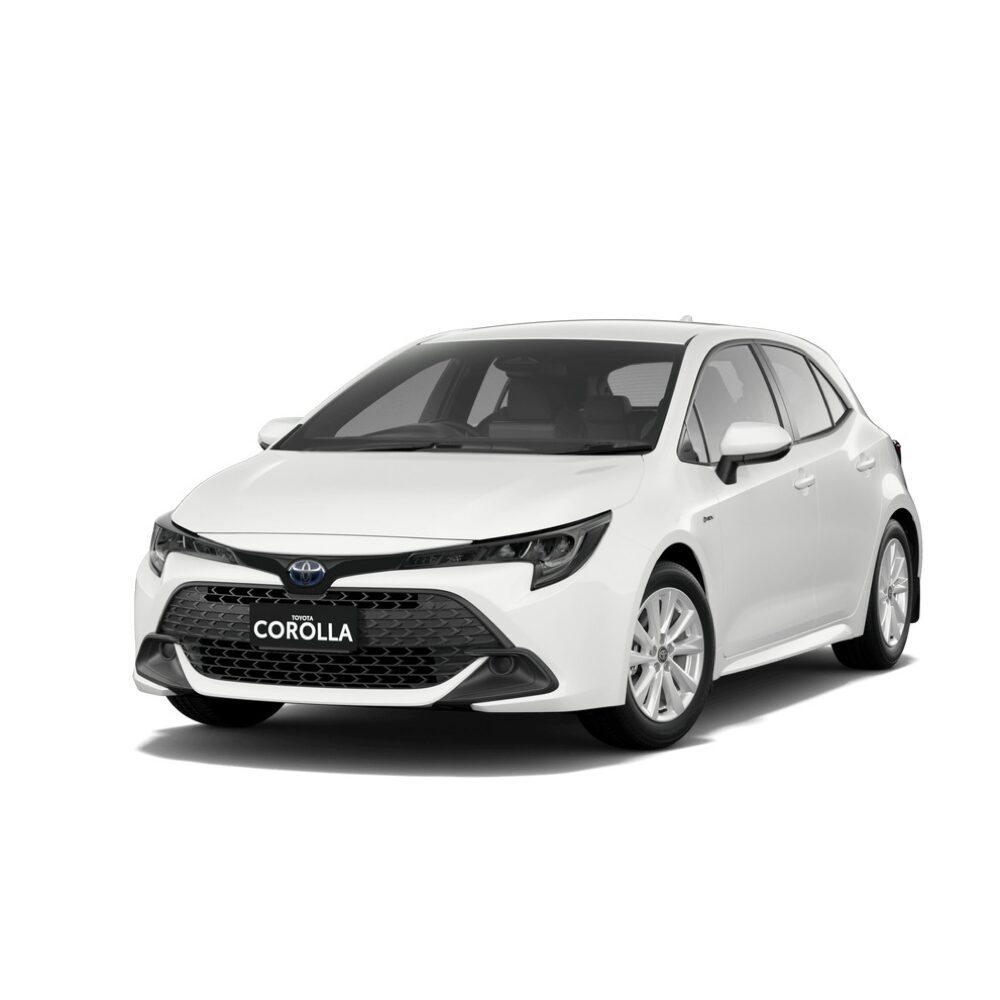
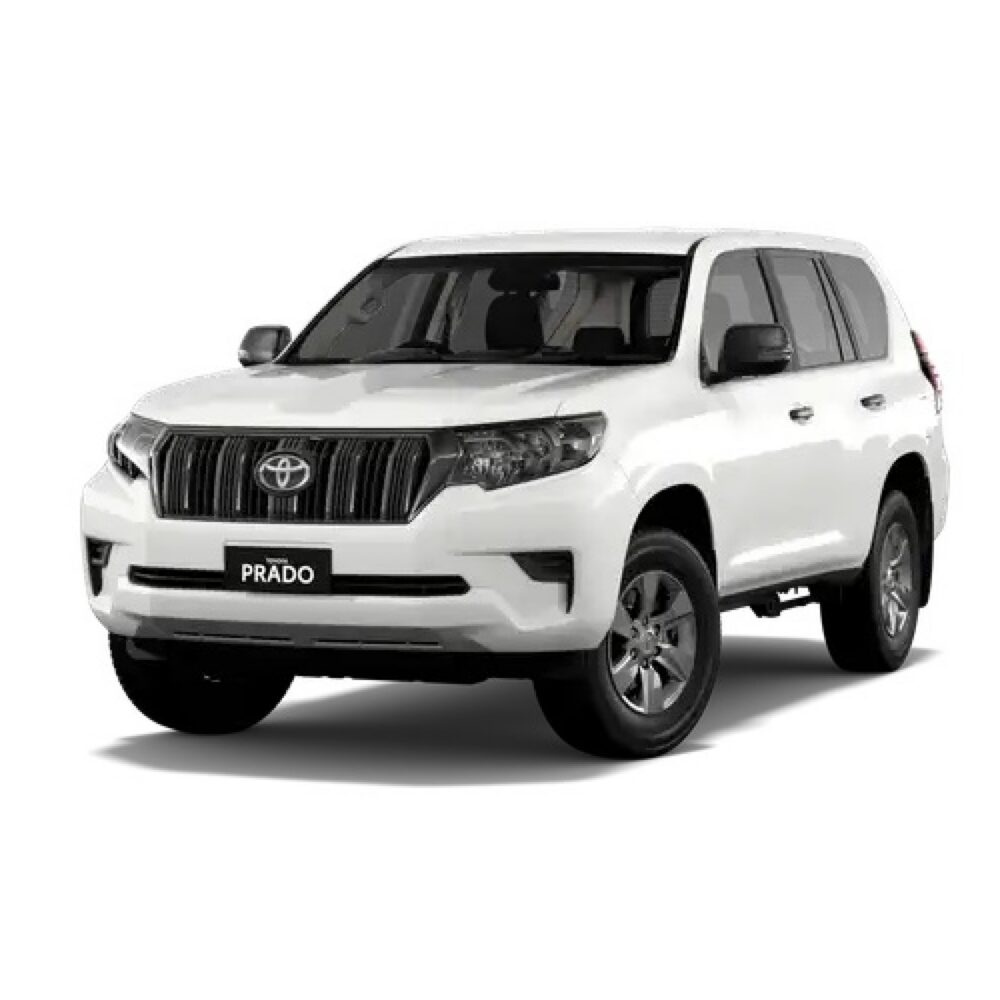

Ready to Darwin?
Exploring Darwin and the Top End is best done with the freedom of your own vehicle. From the vibrant Darwin Waterfront and CBD to the wild landscapes of Litchfield National Park, Kakadu, and the Adelaide River, many of the region’s most memorable places are reached by road.
With the right vehicle, local advice, and a bit of planning, your Darwin road trip will be memorable.
